A conference is an enormous investment. Months of production, dozens of speakers, hundreds of participants who cleared an entire day — and the only thing tying it all into one coherent event is whoever holds the stage. A professional conference MC is the difference between a sequence of presentations and a day with a beginning, a middle and an end — the kind people remember.
What a professional conference MC actually does
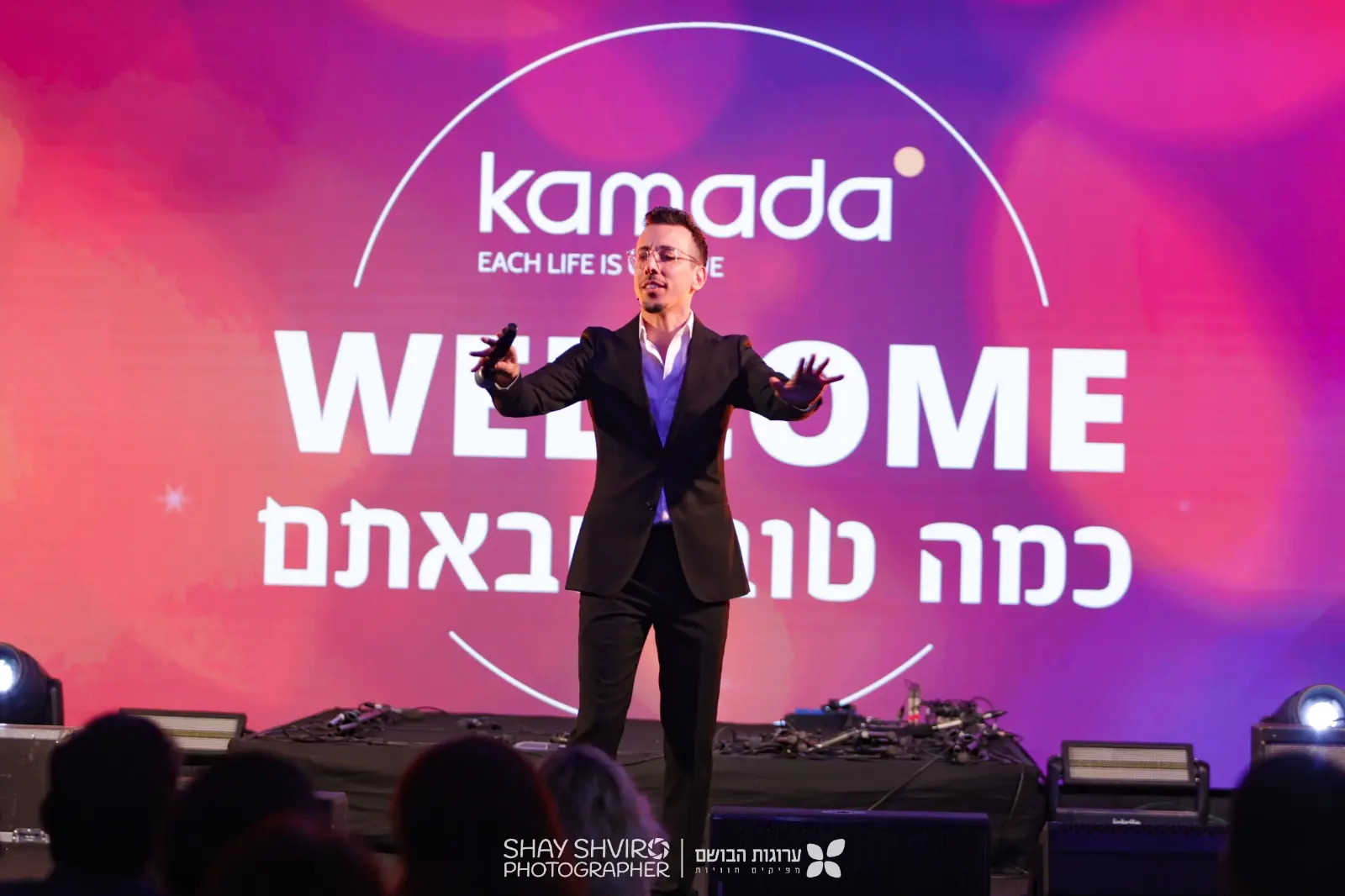
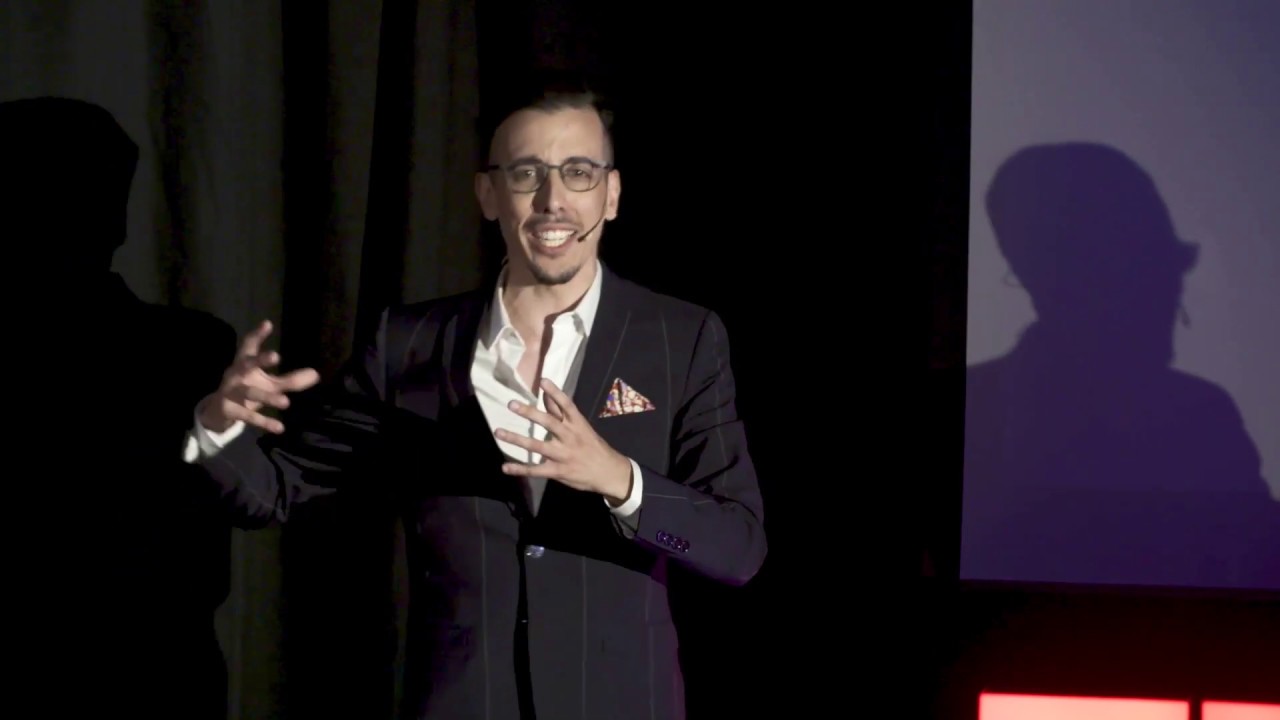
A conference host is far more than "the person who reads out the speakers' names." They open the conference and set the tone for the day, invite each speaker to the stage with a precise, pre-written introduction, protect the schedule even when reality tries to break it, bridge delays and technical failures without the audience feeling a thing, and close the day by tying the key messages together. When it works, the conference feels like it's running itself. That's exactly the sign that someone is working hard to make it look that way.
Every conference's real problem: attention
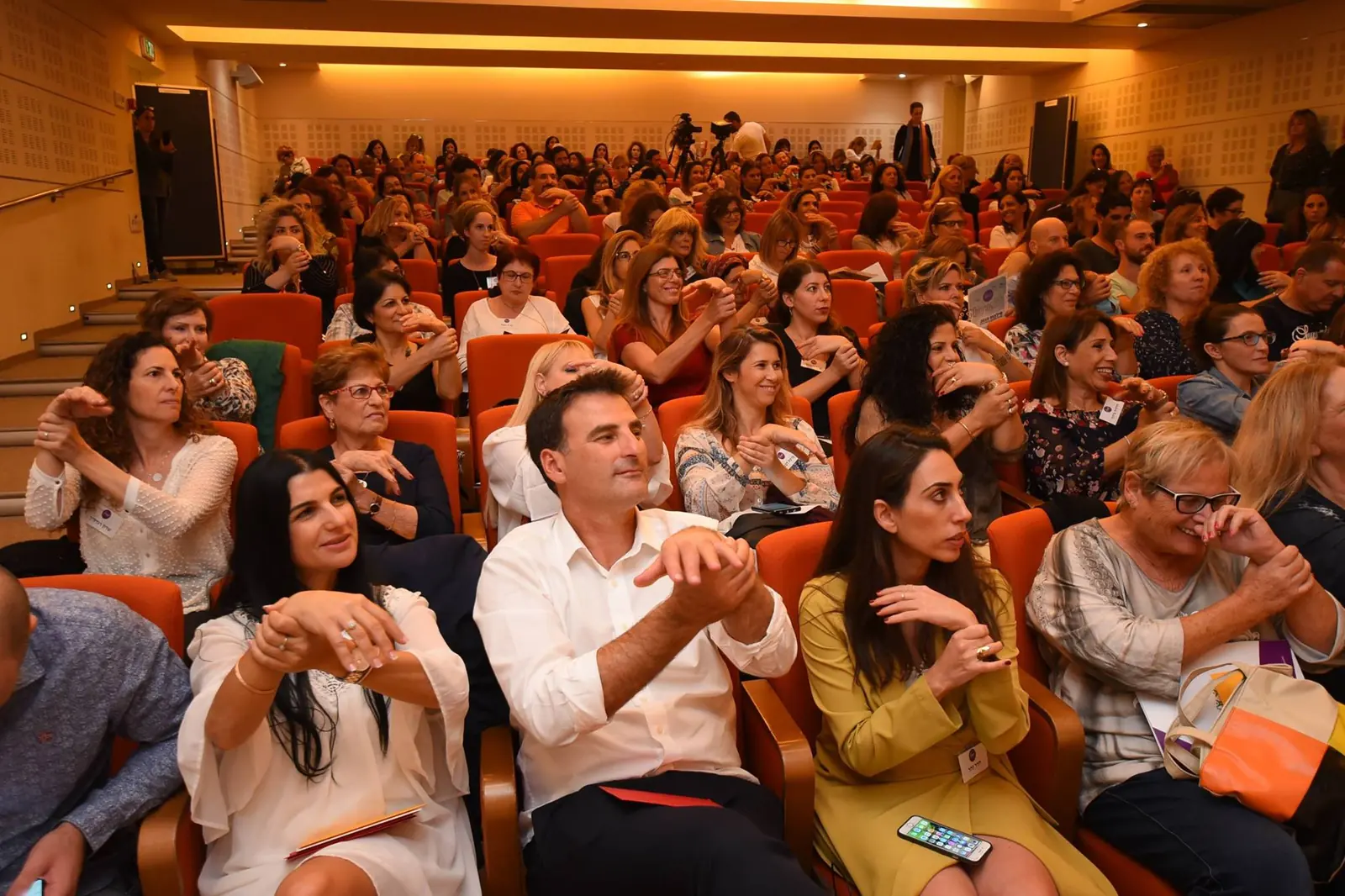
Anyone who has produced a conference knows the feeling: by the third talk of the morning, the room starts shifting in its seats. After lunch, half the audience is on their phones and the other half is fighting to concentrate. No speaker, however brilliant, can carry an entire day of content alone. That's what transition bits are for: short moments between talks that reset the room and bring everyone back to the present.
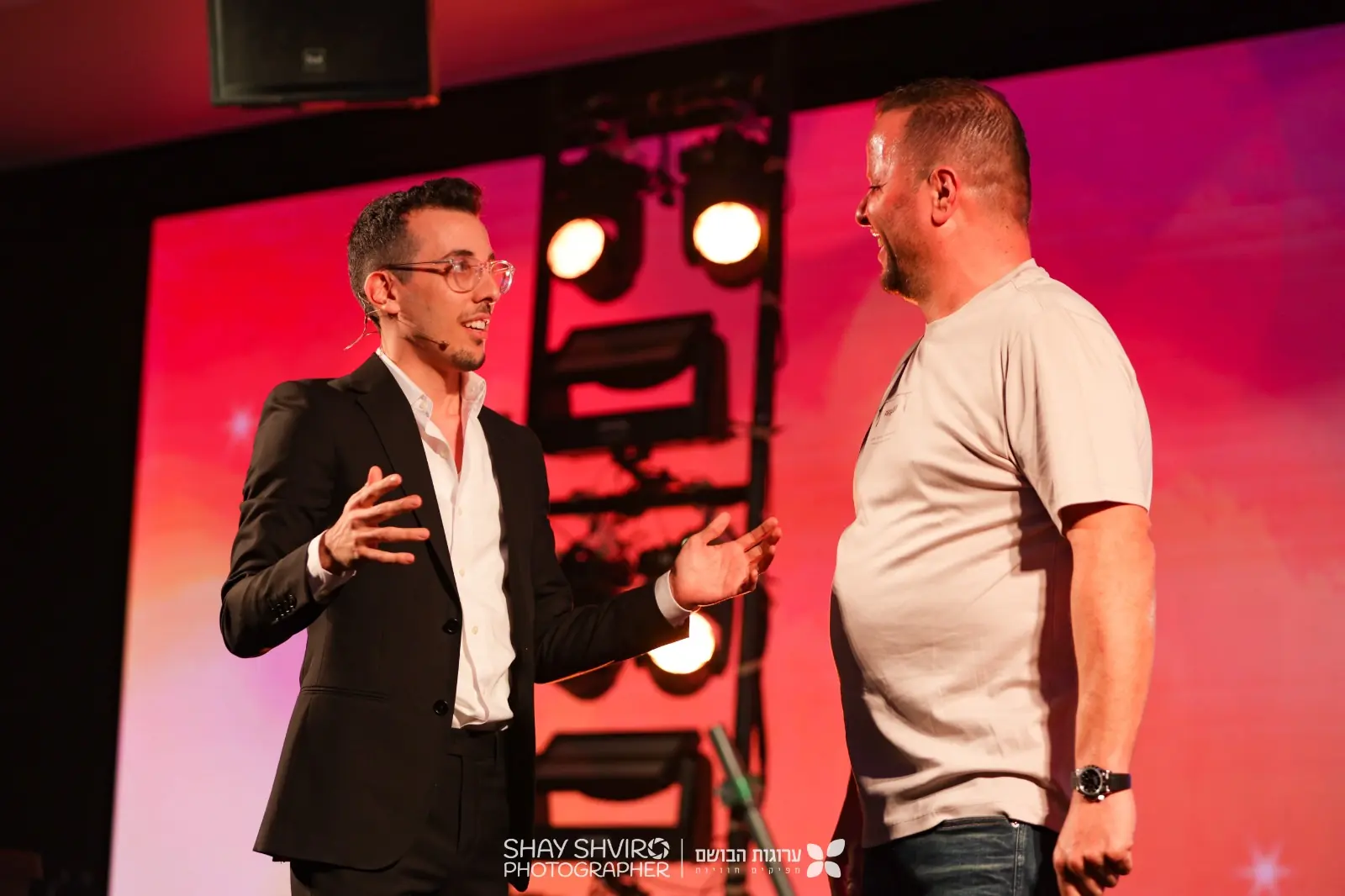
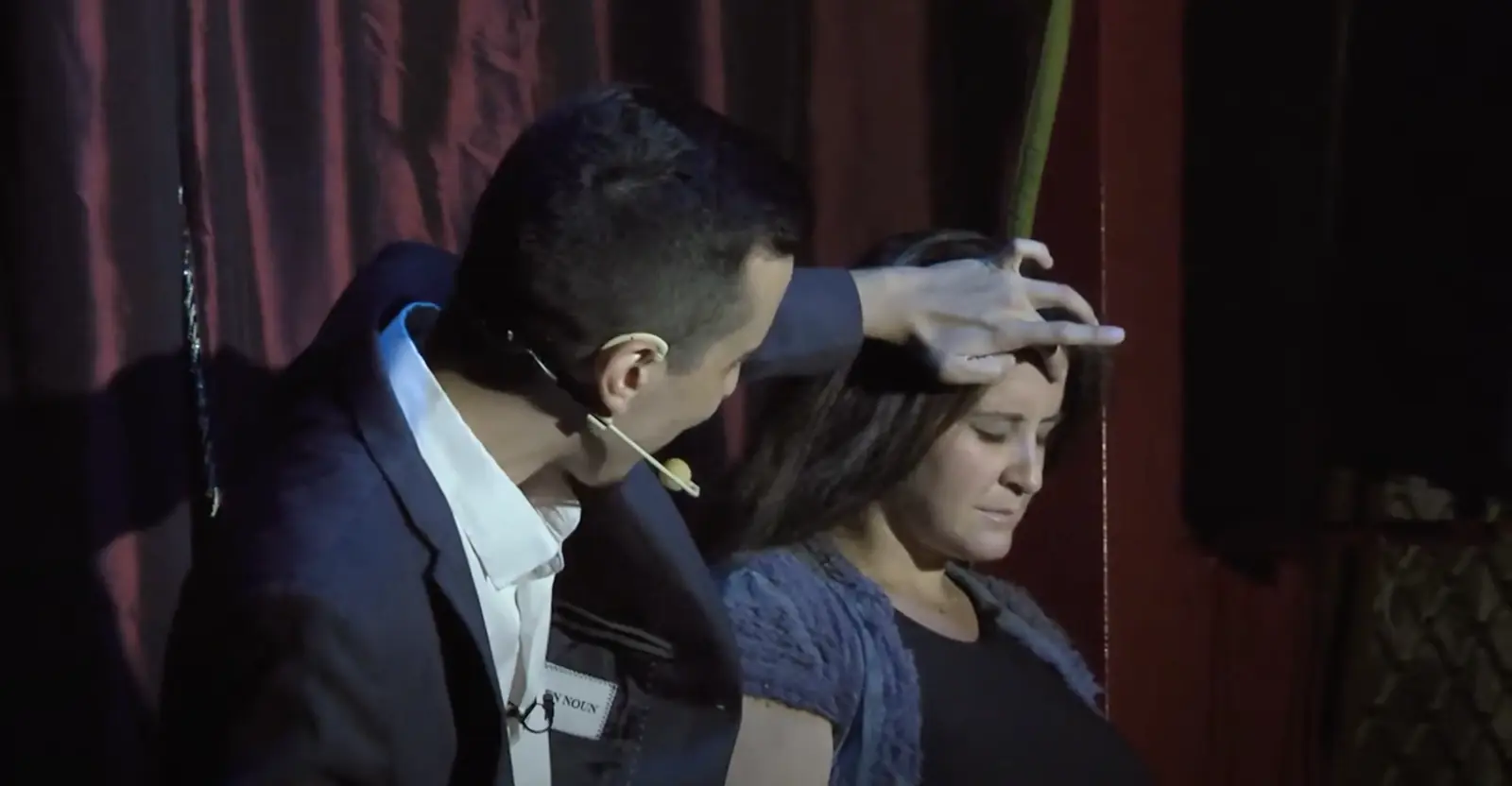
And this is where an MC who is also a mentalist has the edge. A transition bit here isn't a joke or a video — it's three to five minutes of mind reading and influence, with someone from the audience, on stage, live. There's no faster way to bring an entire hall back to full attention than watching someone guess the thought of the person sitting next to you.
Transition bits written specifically for your conference
Nothing I do comes off the shelf. Every effect and every transition bit is written for the conference itself: the CEO's message is woven into a mind-reading piece, the product being launched becomes the punchline of a mental experiment, and the topic of the next panel suddenly emerges from a sealed envelope that was shown that morning. The result feels organic — as if the conference and the hosting were written as a single unit, not a show bolted onto an event.
Hosting in English — when you have guests and employees from abroad
More and more conferences are international in practice: investors and customers from overseas, relocated employees, guest speakers, global teams joining by video. And this is where most conferences get stuck — an MC with "good English" is not the same as an MC whose native language is English. Humor, improvising with a live room, reading the moment — these only work in a language you actually live in.
With me, the hosting can be entirely in English, entirely in Hebrew, or bilingual: a Hebrew opening, an English panel for the overseas speakers, and live switching between the two based on who's in the room — so no participant ever feels the conference isn't speaking to them. The mentalism transition bits are written to land in both languages too.
A preparation meeting with the organizers — before anything else
Before every conference I sit down with the organizers and the production team. Together we go through the run-of-show, the speaker list and each speaker's background, the messages that have to land, and the sensitivities worth knowing about. That meeting produces a full hosting script: the opening, personal introductions for every speaker, the transition bits, and ready-made bridges for every scenario — including the ones we hope won't happen.
Experience on stages in Israel and worldwide
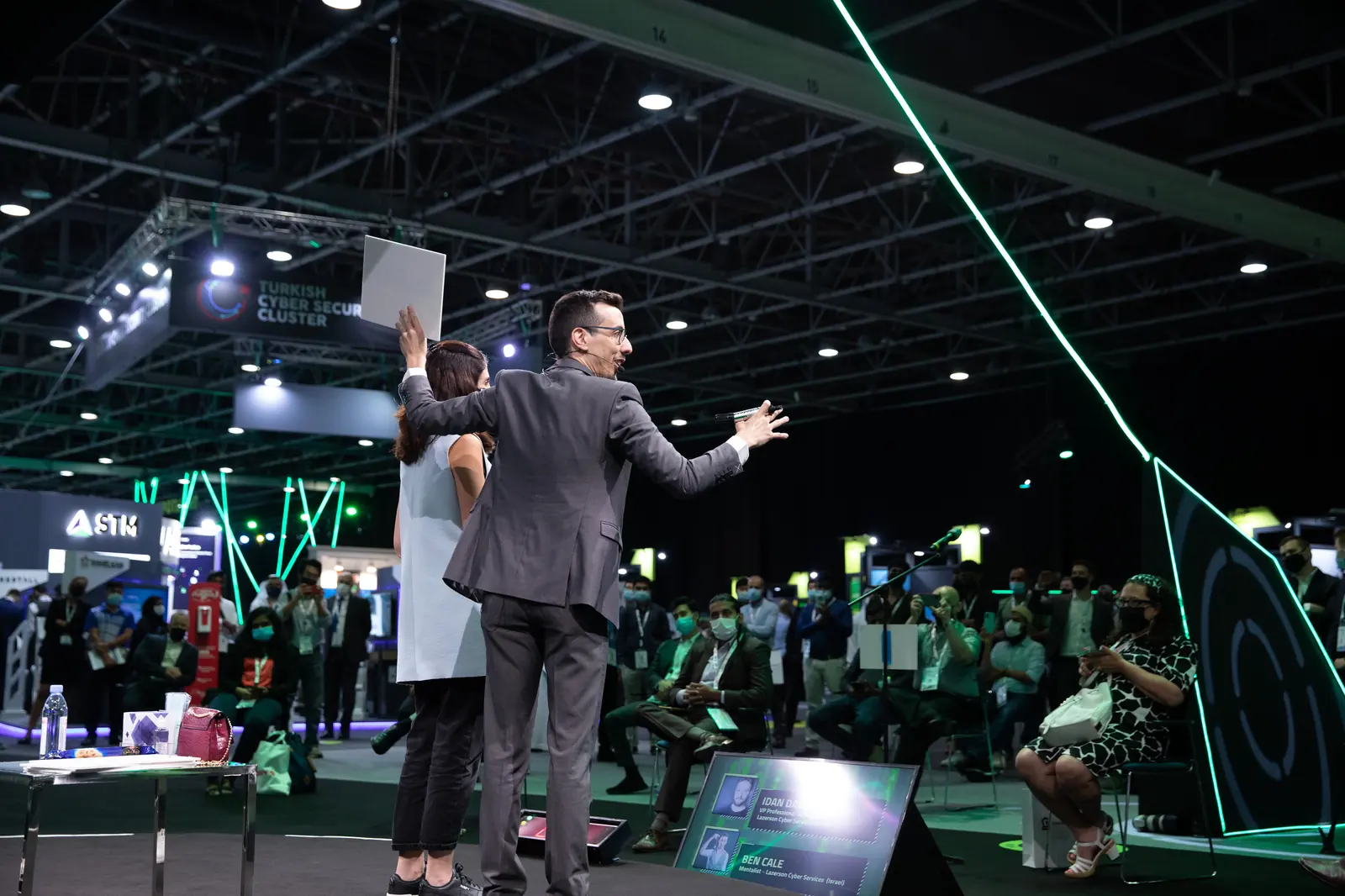
Over a decade on stage: from Tel Aviv boardrooms to the arena stage of the international GISEC cyber conference in Dubai, by way of a TEDx talk and conferences for Google, Microsoft, Intel and Israel's largest banks — in front of Israeli, international and mixed audiences alike.
Bottom line: conference hosting isn't a nice-to-have — it's the infrastructure holding up the entire day. And when the host is also a mentalist, the audience doesn't just stay in the room. It waits to see what happens next.