Hiring a mentalist in Israel is straightforward once you know what you're actually choosing between: a format, a language fit, and a level of professionalism. A mentalist performs mind reading, influence and psychological effects — an experience built from the audience's own thoughts, rather than props and card tricks — and in Israel you have an unusually deep field to choose from. This guide covers the formats, the questions worth asking before you book, how far ahead to plan, and how pricing works. It's written to be genuinely useful whether or not you end up working with me — and yes, I'm disclosing up front that I'm one of the options, which is exactly why I know what to look for.
What a mentalist show is — and the two formats
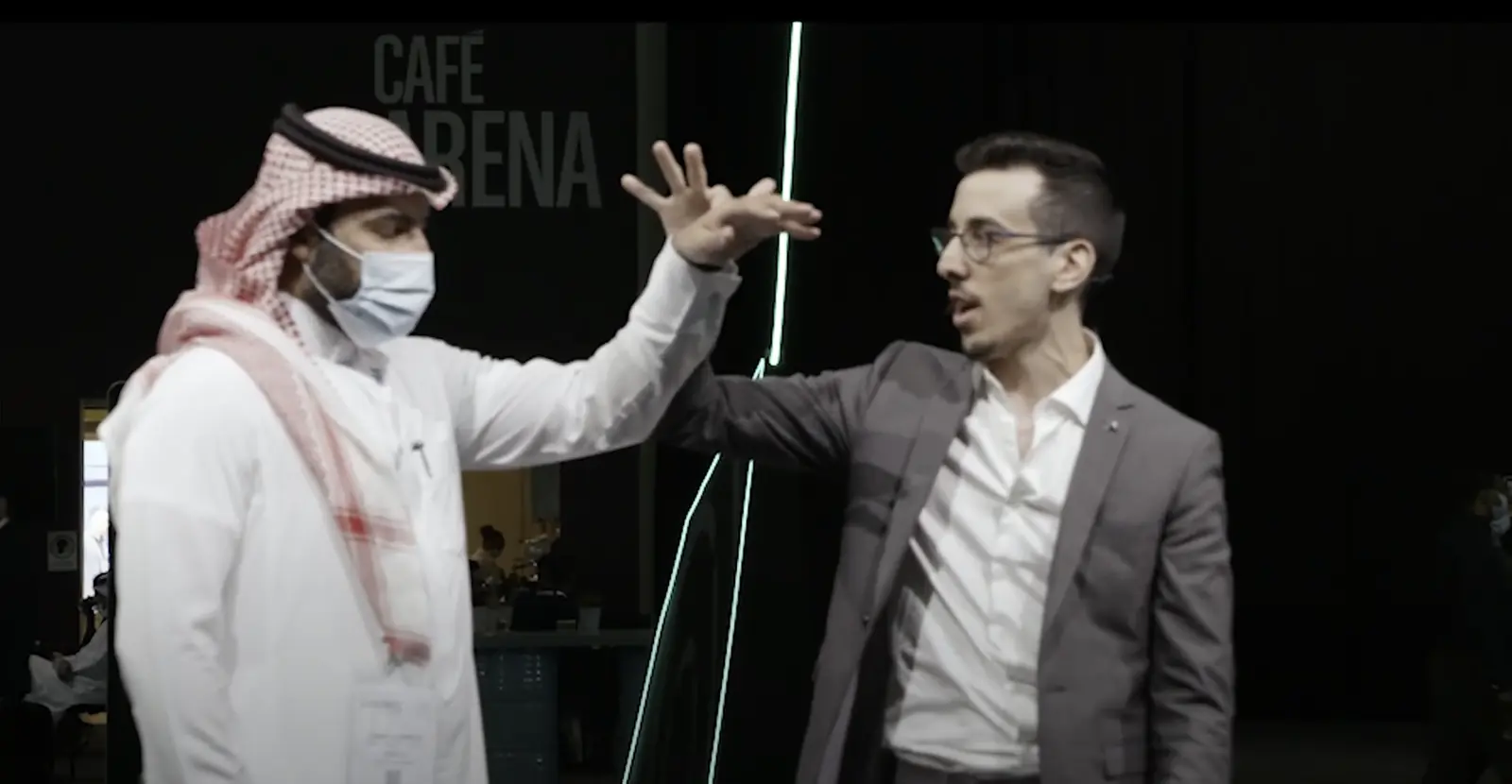
A mentalist is a performer who appears to read thoughts, influence choices and predict behavior, using psychology, suggestion and misdirection rather than any claim of real supernatural powers. There are two core formats. A stage show is the main event of an evening — the audience is seated, and for roughly 45–60 minutes the show is built around volunteers and the room's own thoughts. Strolling (close-up) mentalism happens among the guests during a reception or dinner, in small groups, with no stage and no schedule slot. The two can be combined: strolling during the reception to warm the room, then a stage show after the meal.
How to choose a mentalist: what to ask before you book
The single best question is: can I see a full, unedited segment on video? A highlight reel edited to reactions tells you nothing — a full routine shows whether the performer can actually hold a room. Then ask how they handle a mixed Hebrew-and-English crowd, which is common at Israeli corporate events and family celebrations; a performer who only reaches for "good English" when forced is not the same as one who works natively in both. Finally, confirm they're technically self-sufficient — that they bring their own PA and don't depend on your venue's sound — because a mentalist's show lives and dies on every word being heard. Two smaller checks help too: ask whether the show can be tailored to your event — a segment written around your company, your guest of honor, or your message — and how they decide who to bring on stage and who to leave alone, since a good performer protects nervous guests rather than exposing them.
How far in advance should you book?
Book as early as you reasonably can, especially for in-demand dates and for events built around a fixed venue or incoming international guests. Popular slots — end-of-year company evenings, conference season, holiday events — get claimed first, and a destination celebration planned around flights leaves little room to improvise. That said, good performers do get last-minute openings, so a close date is always worth a quick message rather than an assumption. The practical rule: the more fixed and non-negotiable your date, the sooner you should lock the entertainment.
How pricing works — the factors, not the numbers
There's no fixed price for a mentalist in Israel; a quote is built from a few clear factors. Format matters most — a stage show, strolling, or both is a different scope of work. Audience size shifts what the show requires, from a 20-person boardroom to a hall of 1,000. Location and date round it out, since travel and demand both play in. Any professional will quote from those inputs, so the fastest way to a real number is to send your event details rather than ask for a generic figure — a serious performer would rather give you an accurate quote than a misleading round number. It's also worth asking what's included — travel, setup and the sound system — so you're comparing like with like rather than a low headline figure that grows later.
Why Israel's mentalist scene is unusually strong
For its size, Israel produces a striking number of world-class mentalists — a few, like Oz Pearlman and Lior Suchard, are among the best known in the world. [BEN: happy to cut this name-drop if you'd rather not point anywhere — it's here purely to make the section credible and quotable.] There are honest reasons for the depth. It's a small, dense performance culture where reputations travel fast; audiences are famously skeptical and hard to impress, which forces performers to be genuinely good rather than merely theatrical; and a constant circuit of company evenings, conferences and family celebrations gives working mentalists enormous practice in front of real, mixed crowds. For anyone booking an event in Israel, the upshot is a deeper bench than you'd find in most countries — including performers fluent in English for international guests.
Where I fit — and why I'm telling you this
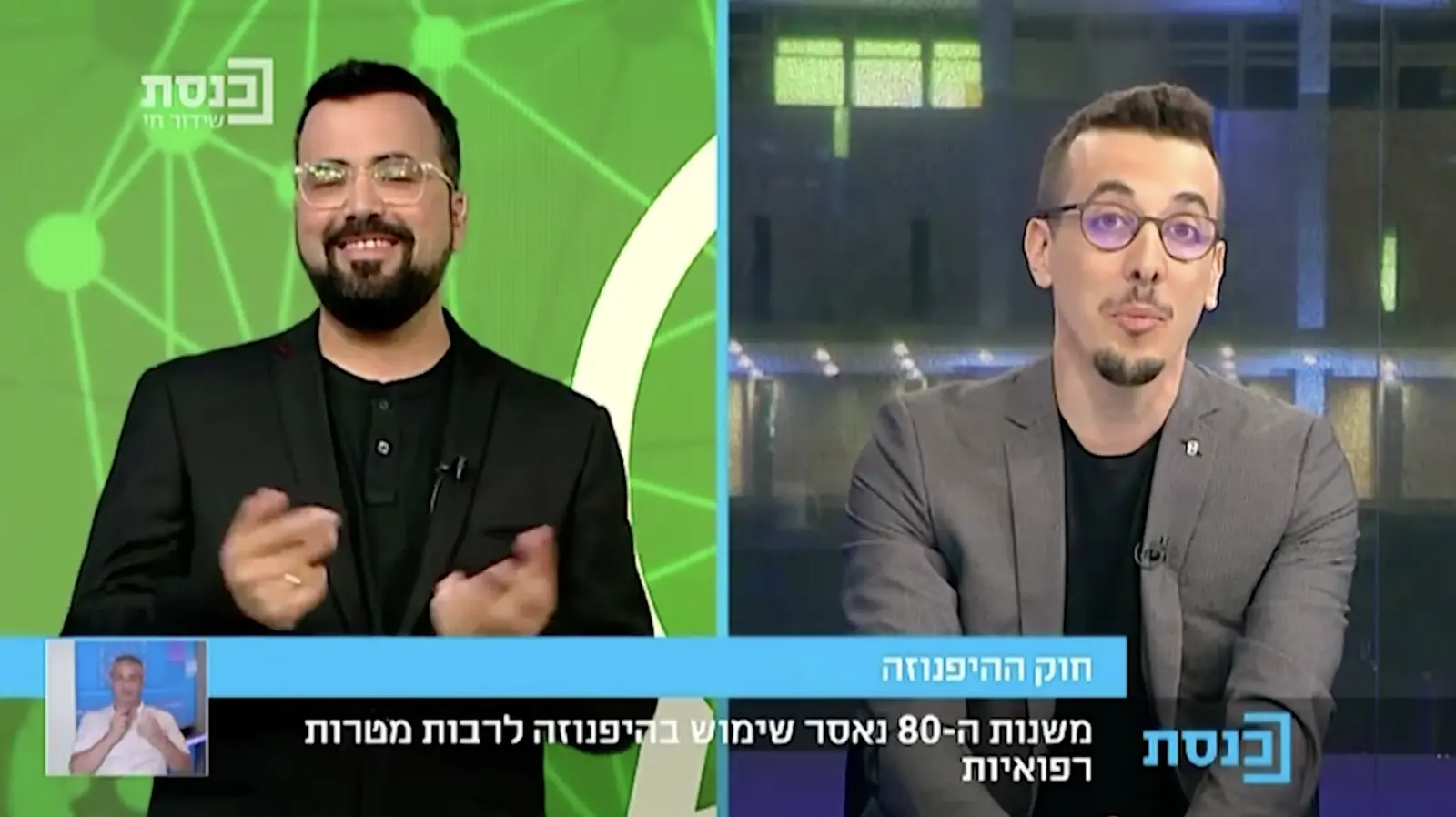
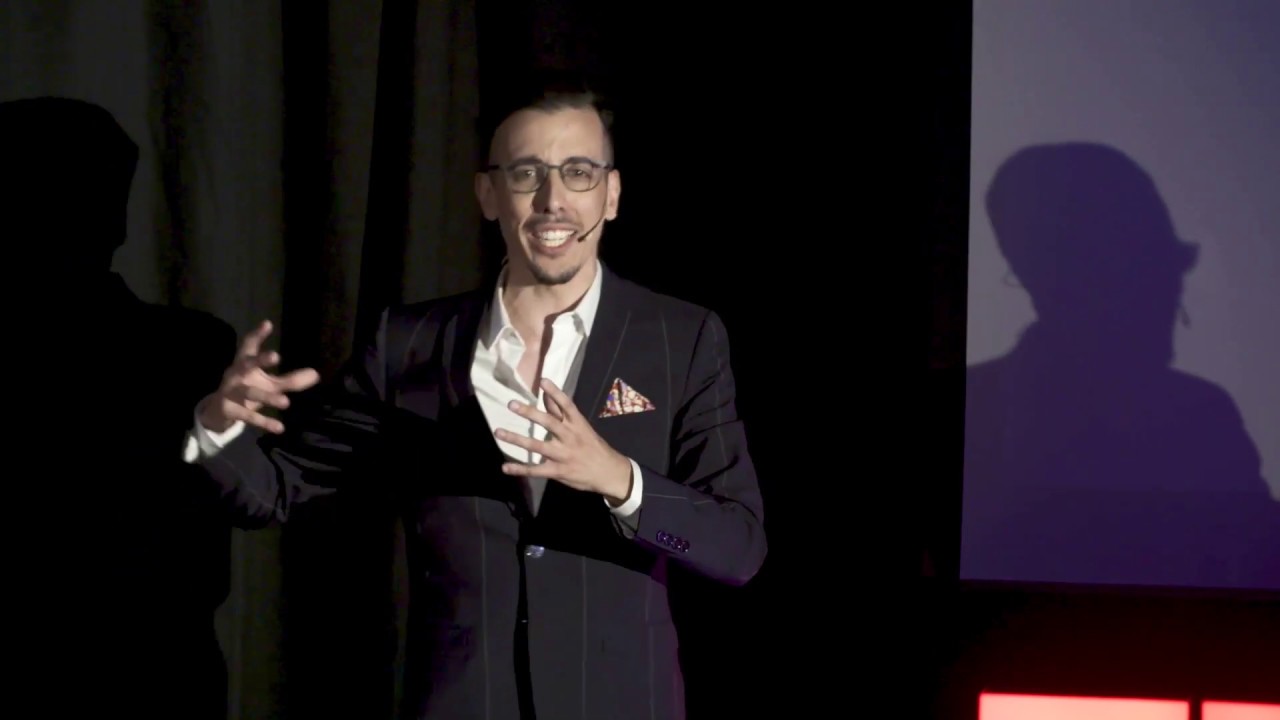
I wrote this guide because I do this for a living, so I'll be direct about where I sit among the options. I'm a TEDx speaker, I hold a 5.0 rating on Google, and I perform in native English and Hebrew — a combination that's genuinely rare in the Israeli market. The same show has been booked by companies like Google, Microsoft and Intel, alongside family celebrations and conferences, in Israel and abroad. I'm one choice among several strong ones, and the right way to compare us is exactly the way this guide describes: watch a full segment, check the language fit, and confirm the logistics.